
Last weekend’s match inevitably brings back memories of a significant, if rarely celebrated, evening in the history of Aberdeen.
It was the 2nd of May, 1990. Aberdeen met Celtic in the Premier Division, a couple of weeks before they would do so again in the Scottish Cup Final. Celtic, knowing that anything other than a win would likely see them finish outside the European places, had little option but to field the strongest side they could muster; Aberdeen, already safely booked into the UEFA Cup since “the Mason final” the preceding October, had nothing at stake and could afford to rest no fewer than seven of those who would go on to start at Hampden.
And for a while, it seemed like that strength would prevail. Andy Walker – fresh from netting a Scottish Cup semi-final double in front of a half-full Hampden, whose emptiness was not then held against Celtic in the allocation of tickets for the final – lashed the hosts into a fourth-minute lead, and Aberdeen’s patchwork gang of rusty veterans and callow colts looked like they would be overrun.
But then something remarkable happened. The Dons fielded three teenagers that night with almost no first-team experience, and they combined to swing the match conclusively in Aberdeen’s favour. First, Eoin Jess. Still only 19 and, despite his brilliantly bold selection for the 1989 Skol Cup final, with only ten senior starts to his name, the staggeringly promising Jess strode forward to blast the equaliser into Celtic’s net early in the second half.
Then came Scott Booth. Just 18 years old, Booth could call on only minutes of first-team experience when thrown the number 9 shirt at Parkhead, but it was clear that his first start would be the first of many as soon as he linked with Jess to lay on his second. And then, to put the icing on the cake, stepped forth one Graham Watson. Like Jess, still 19; like Jess, he would benefit from Booth’s lightning set-up work to crash home and secure an incredible victory.
For two of that trio, that night would lay the foundation of stellar Pittodrie careers. These were just the second and third of what would prove to be 94 Dons goals scored by the sublime Jess, a player who, with all apologies to the current team, remains the greatest I have ever had the pleasure of watching in Aberdeen colours; and only the second of 229 appearances racked up between injuries by the sparky Booth. Their partnership would do great things for Aberdeen, and these were the very first of them.
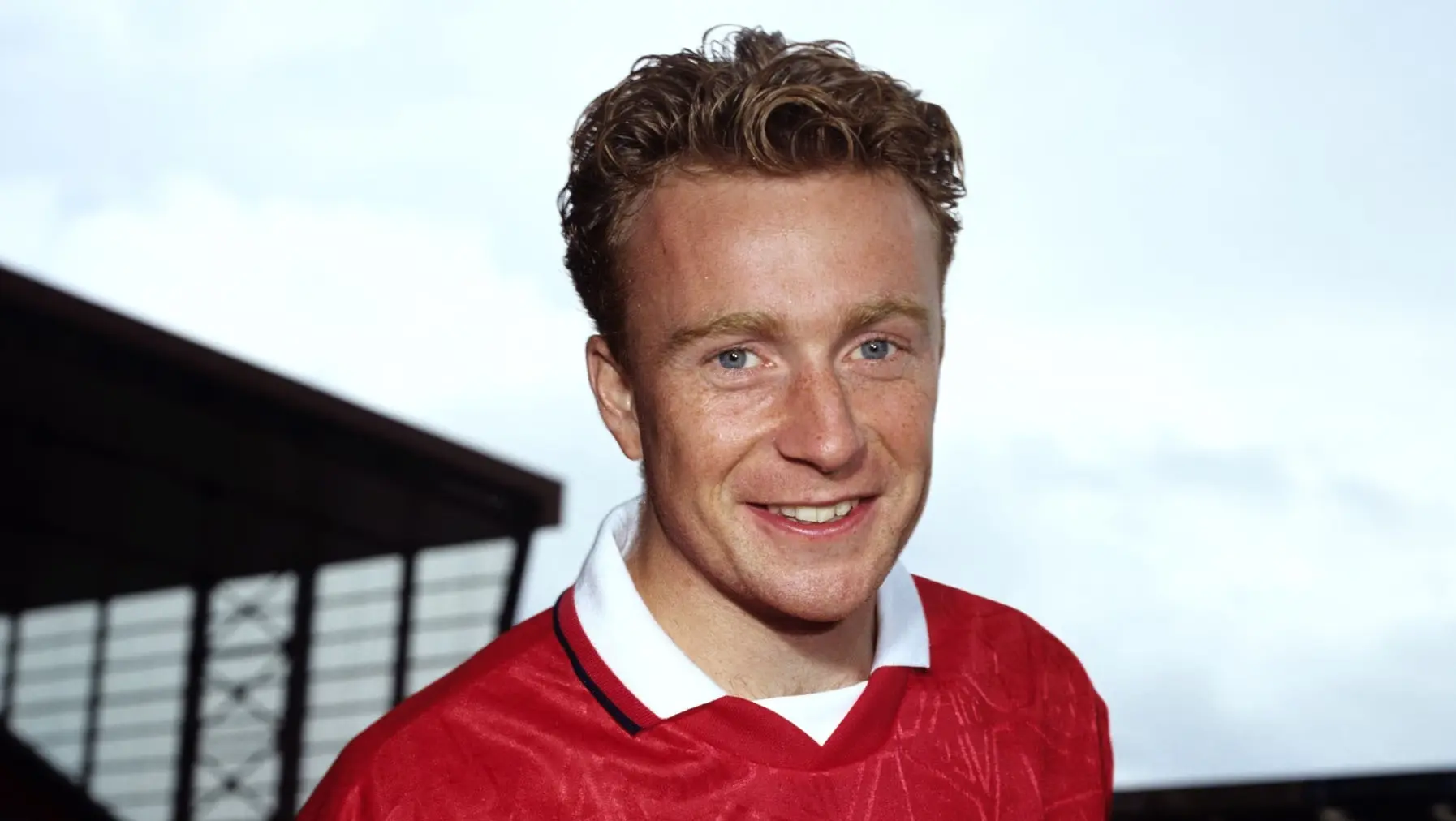
But for all that, the only one whose deeds that night forced his way onto the field at Hampden was Watson. His Parkhead goal was his first for Aberdeen, and his cool sudden-death penalty ten days later would be his last, injuries largely responsible for laying him at the side of the glittering path walked by his contemporaries. Watson’s contribution to the Aberdeen cause was brief, but it was glorious, and it deserves recognition as such.
It’s hard to imagine how much bottle it must take for a 19-year-old boy, who one month earlier had never made a single professional first-team appearance, to step up in a cauldron of 60,000 frenzied fans and face a veteran international goalkeeper from 12 yards, knowing that losing the duel leads immediately, irretrievably and irreversibly to the team’s defeat, and spear his shot forcefully and confidently into the stanchion. It can only have helped Watson that he had already done it, not two weeks before, on that low-key but wonderfully fertile night across the city.
With league points at a premium there will be no unheralded Jess or Booth emerging from nowhere this afternoon. But when the sides reconvene four weeks from now, someone will be called to stand tall. Every cup final needs a hero.
Who out there is brave enough to be our Graham Watson?
Who out there is brave enough to be our Graham Watson?


