hit the ground running
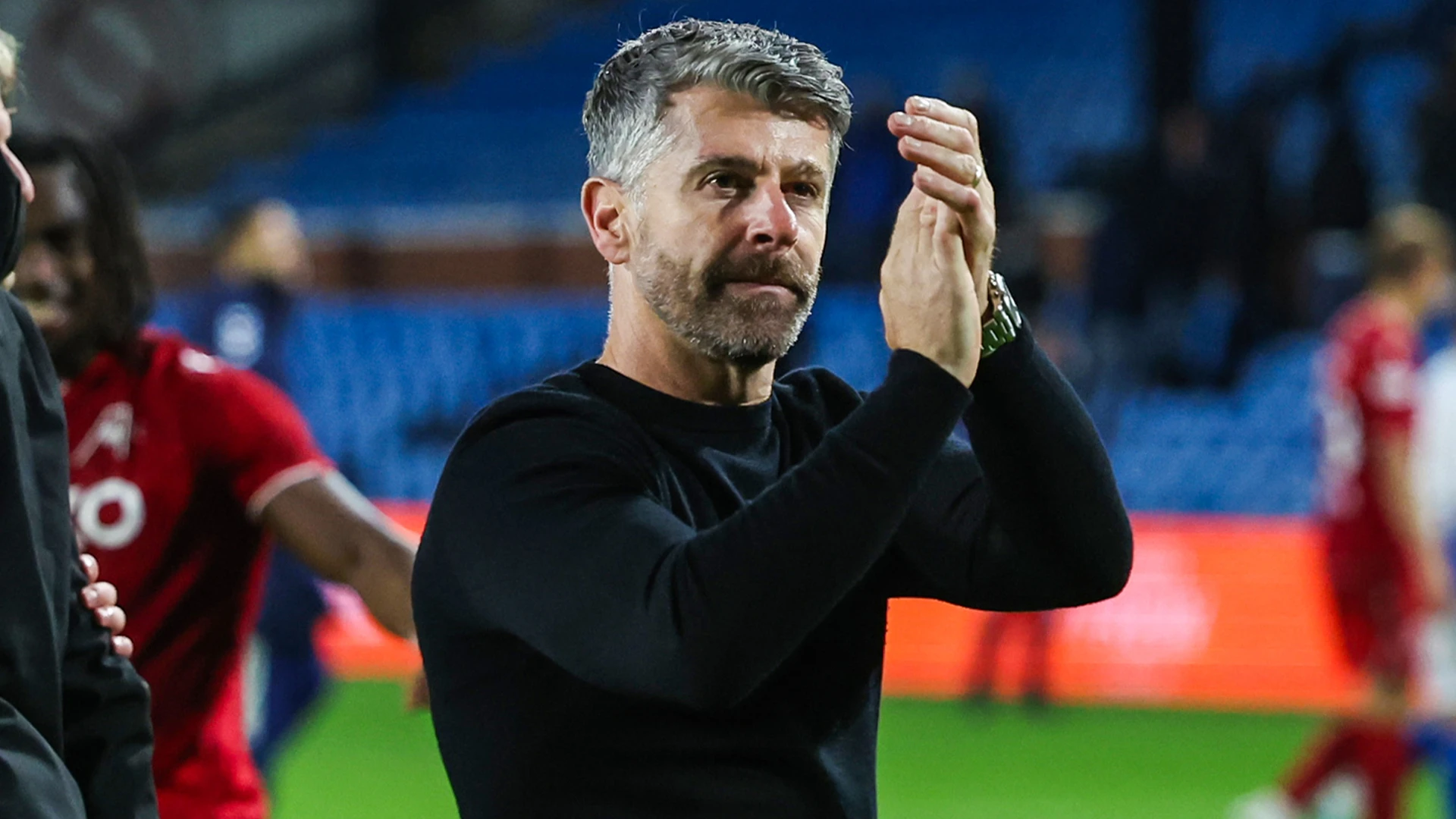
So Derek McInnes today seeks to become the first man since, remarkably, Roy Aitken to win his first match at Pittodrie after being named permanent Dons boss. If he manages to pull it off, it is to be hoped that he will also follow Aitken’s lead in some respects – winning a trophy, for instance – if perhaps avoiding the less profitable aspects such as signing Bulgarians and the inappropriate use of hair dye.
It is disheartening to think that in the decade-and-three-quarters since those rollercoaster opening months of Aitken’s tenure, the club has experienced not only no further silverware, but even a marked absence of those fleeting moments of hope brought by the promise of significant change and improvement. No sooner have the flash bulbs dimmed from the debut photocall of a new manager than the gloomy fare on offer has starkly illuminated the fact that the underlying problem ran deeper than his predecessor. The glare has seldom been harsher than when Paterson arrived, full of ideas and enthusiasm, and promptly switched to a bold back three on his first afternoon: within the hour they were three down at Dunfermline, 4-4-2 returned, and everything carried on as before. Indeed, in all the years since the Dons’ alarming decline began turning Aitken’s hair grey, then an odd and unnatural shade of purple, only in the first year or two of Calderwood’s reign has the club genuinely appeared to be leaving behind it the hopeless fragility, futility and sloth in which it has been enveloped for a generation.
That, then, is McInnes’s task, and it is one of which he appears to be fully aware. It is hard to imagine, having visited Pittodrie as an opposing player and manager, that he could be otherwise, for the helpless frustration practically seeps from the bricks of the building. Particularly on the two occasions during the 2010/11 campaign when he brought his St Johnstone side here and an aggregate total of just 14,000 spectators watched the Dons defence donate them a combined two own goals and a red card: self-destruction which, one might have thought, would have kept the Aberdeen hotseat well away from McInnes’s career opportunity wish list. Then again, perhaps he took it to indicate that this was a job in which he could only make things better.
We will ignore the abortive dress rehearsal in Leith, as indeed all football purists routinely should – matches between Hibernian and Aberdeen ought to be banned, and their continued selection for live television broadcast only makes one suspicious that the tv companies are deliberately screening the most harrowingly audience-repelling games they can think of in order to drive down the price they’ll need to pay to renew the contract. The McInnes regime starts here, and in the absence of much else at stake it is the time to lay down a marker for the process of change. The fans will be watching for signs of the sort of style their side intends to adopt in the season for which they will soon be asked to buy their tickets.
Good luck Derek. History suggests you might need it. May you hit the ground running.
Good luck Derek. History suggests you might need it. May you hit the ground running.
Good luck Derek. History suggests you might need it. May you hit the ground running.